This data source presents 3-year pooled results from the New Zealand Health Survey (NZHS), conducted by the Ministry of Health. Pooling combines responses from three consecutive survey years into a single dataset, increasing the effective sample size and producing more reliable estimates — particularly for smaller population subgroups and regional breakdowns. The NZHS monitors population health, including smoking behaviour, in a representative sample of approximately 13,000 adults and 4,500 children per year.
Available filter variables:
- Geographic: Total, Health Region, Health District, Regional Council, Iwi Māori Partnership Boards, Urban Rural.
- Demographic: Total, Age group, Ethnicity (total), Gender, NZ Deprivation (quintile), Disability status.
Definitions:
- Current smoking: smoking at least monthly, weekly or daily, and having smoked more than 100 cigarettes in the person’s lifetime.
- Daily smoking: smoking every day, and having smoked more than 100 cigarettes in the person’s lifetime.
The 100-cigarette threshold limits the indicator to only people with established tobacco use.
Other information:
Details of the methodology and data explorer can be found here.
How to interpret the results
Data is available for five geographic breakdowns and eight demographic groups. Each breakdown includes data for the total population, as well as detailed statistics for each geographic region further categorised by demographic group. Both unadjusted and age-standardised figures are provided for every breakdown.
Unadjusted results reflect the actual rate or mean for the specified population in the time period, and age-standardised results are useful when comparing rates between populations with different age structures. More details on age-standardisation are available in the methodology report.
Reliability of survey results
This data uses 95% confidence intervals to indicate the statistical precision of estimates. Wider confidence intervals suggest less precise estimates due to higher variation within a sample or smaller sample sizes. When confidence intervals do not overlap, it can be concluded that the estimates differ significantly, however, when they do overlap it is still possible that there is a significant difference.
Survey results may underestimate or overestimate the true prevalence of indicators due to the nature of self-reported information. Respondents might inaccurately recall past events or over-report socially desirable behaviours. Some indicators, like height and weight, are based on actual measurements, making them more reliable.
Estimates with high relative sampling error (RSE) are flagged or suppressed. Indicators with an RSE over 100% or sample size under 30 are suppressed and marked with “Suppression” in the “quality_flag” column. Estimates with an RSE of over 30% are flagged with a “Low Quality Flag” in the same column. These should be interpreted with caution as they have lower precision. For more detailed information, refer to the methodology report.
Indicators
A list of all the available indicators for this data source
Current smokers
Daily smoker and daily vaper
Daily smoker and/or daily vaper
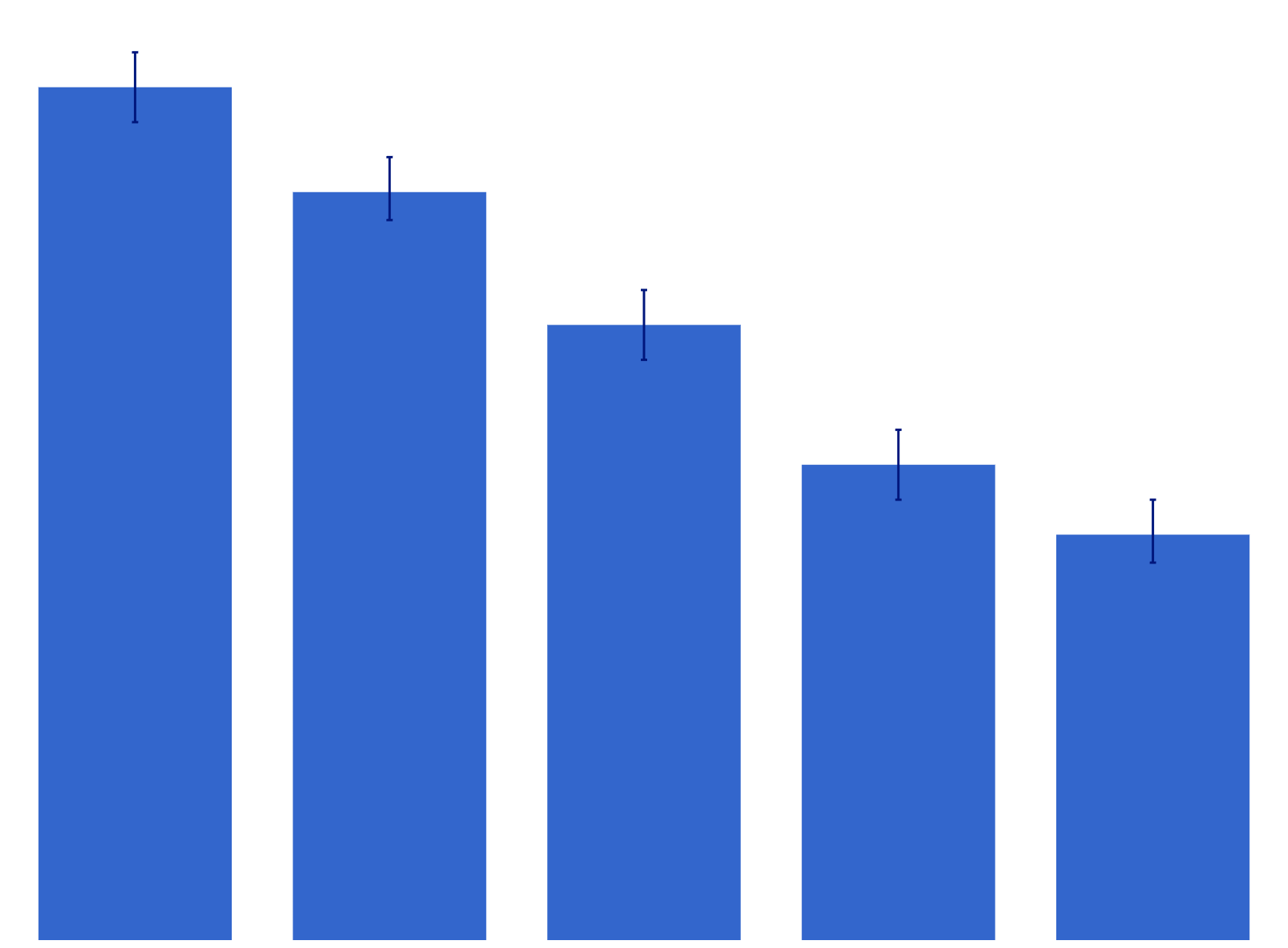
Daily smoker only
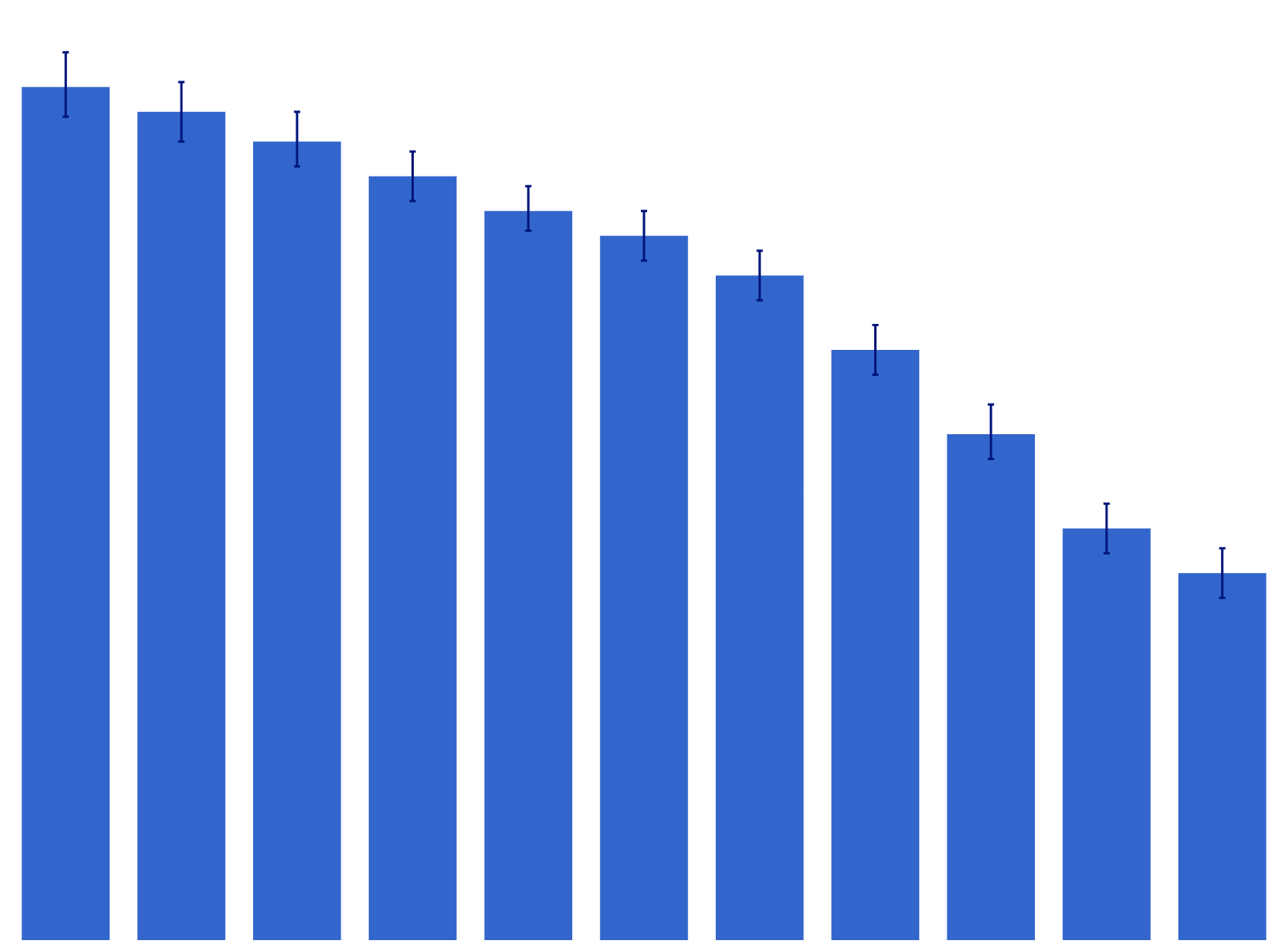
Daily smokers
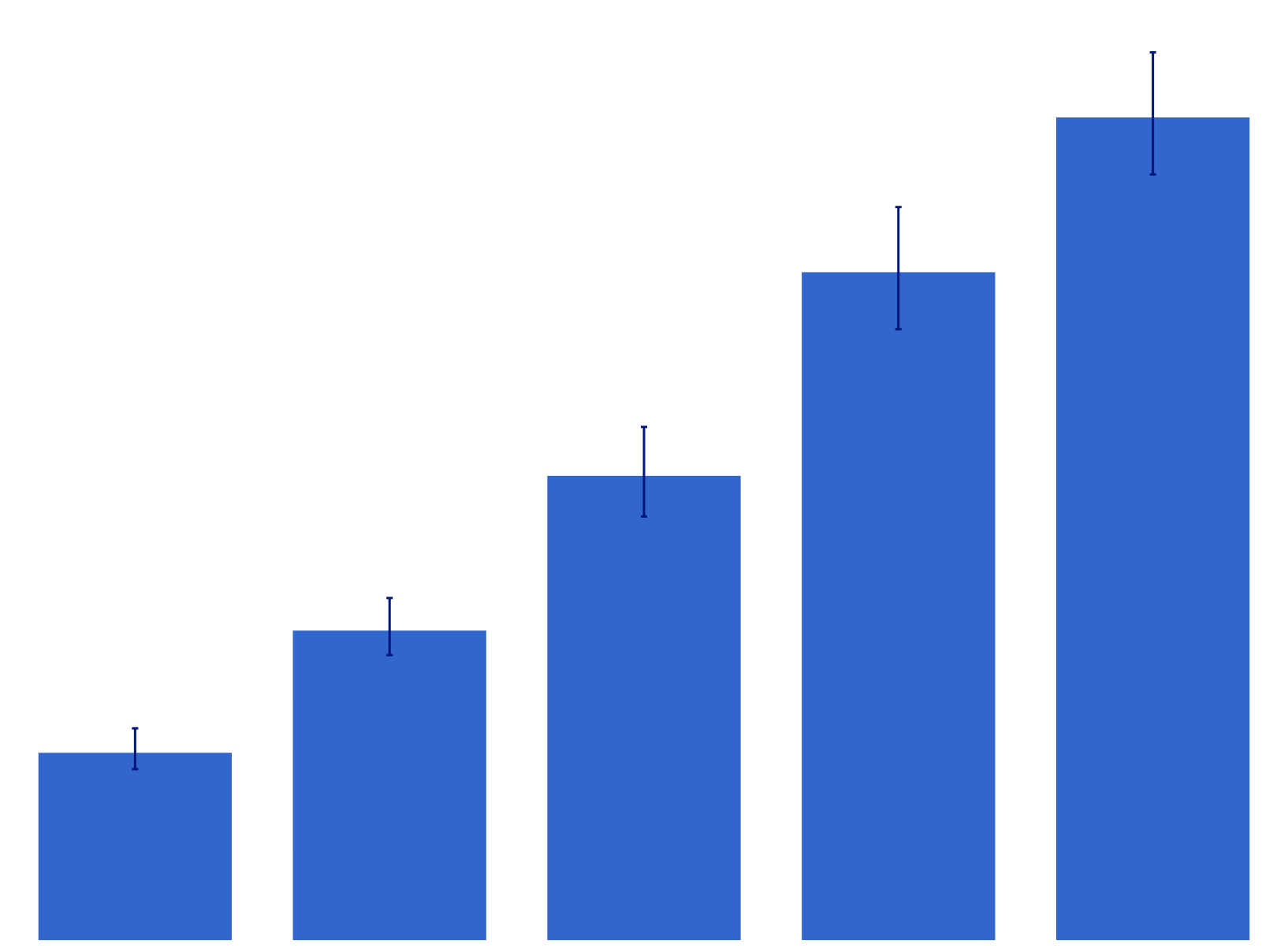
Daily vaper only
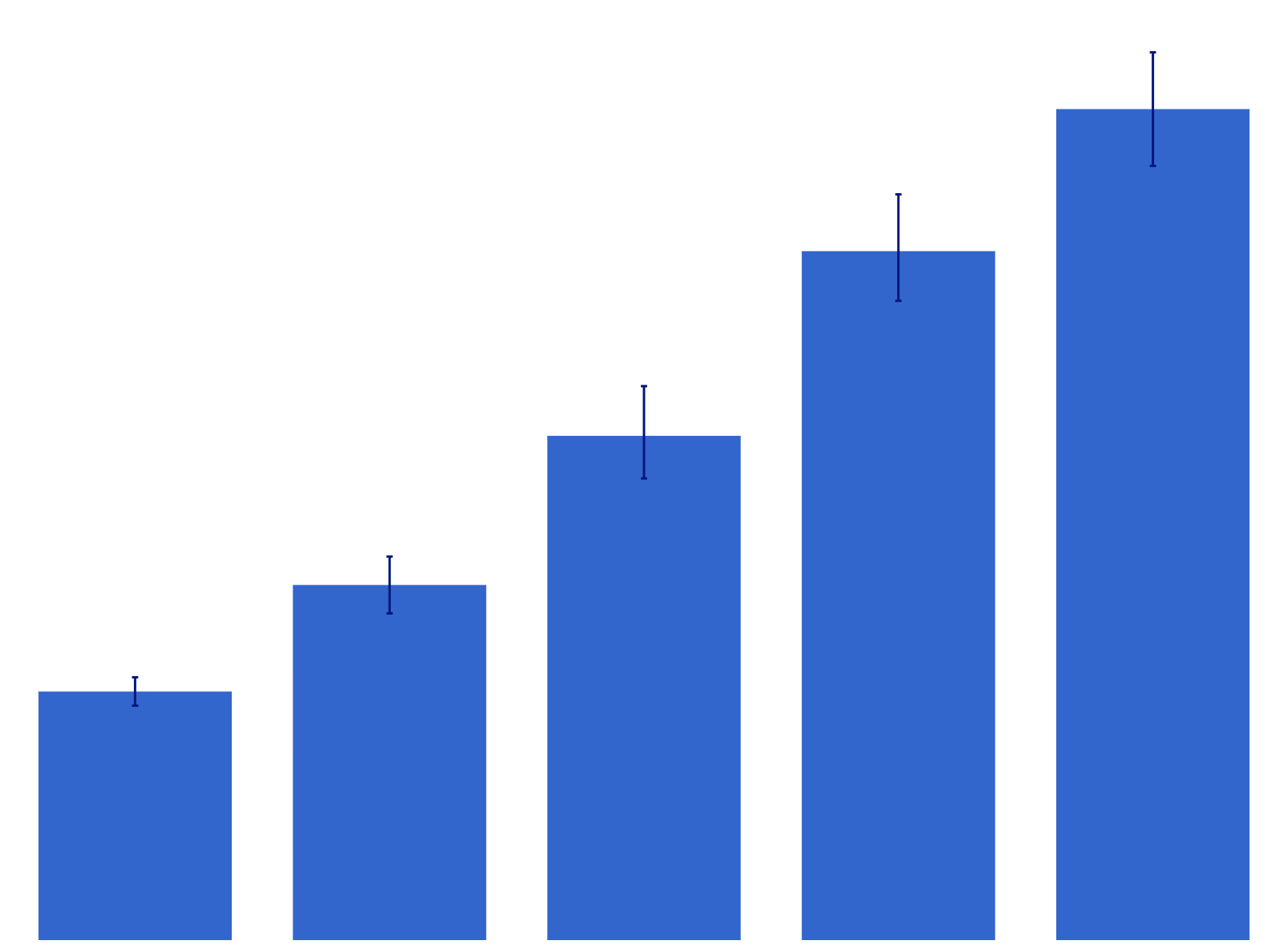
Daily vaping
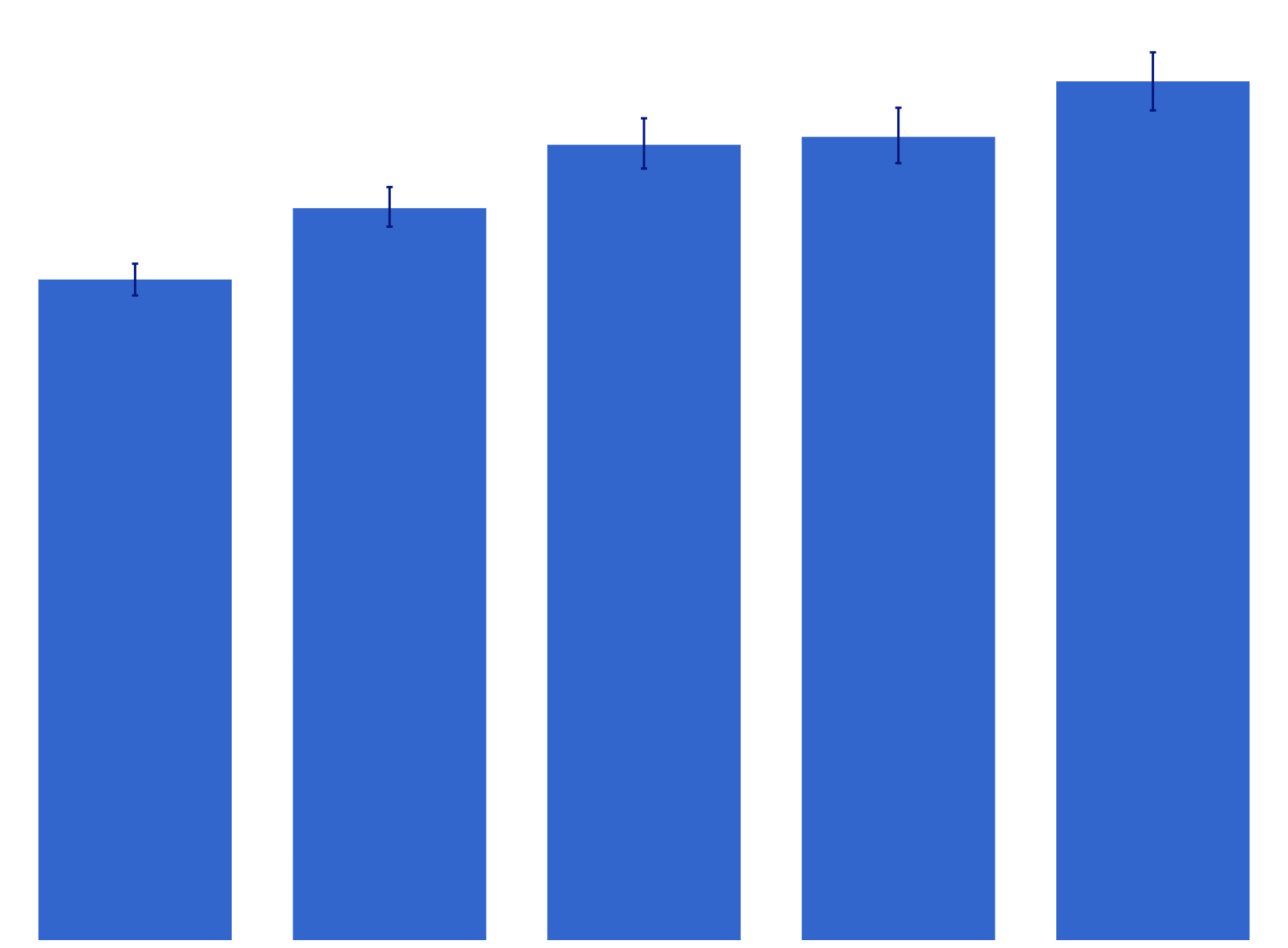
Ever tried vaping
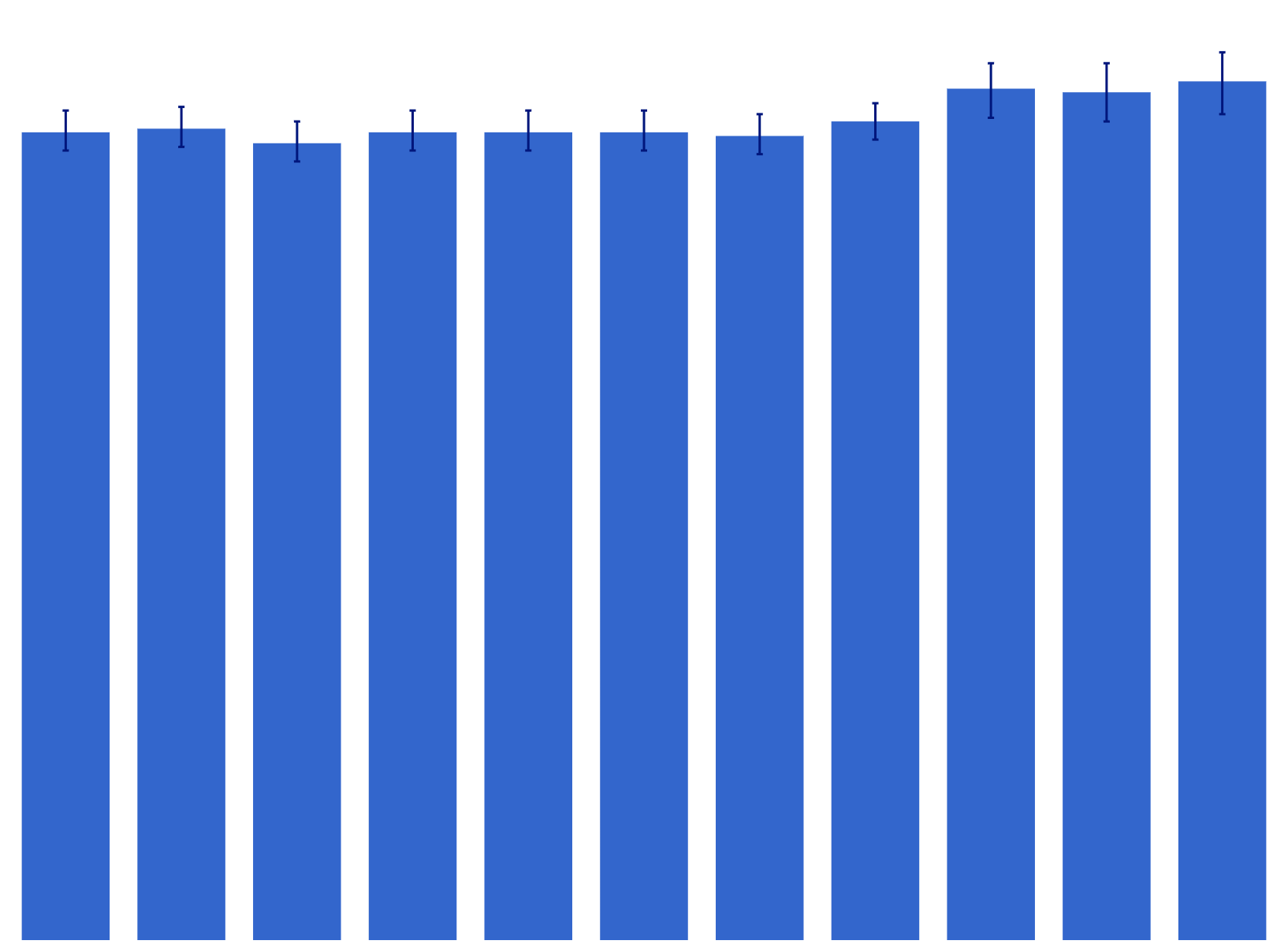
Ex-smokers
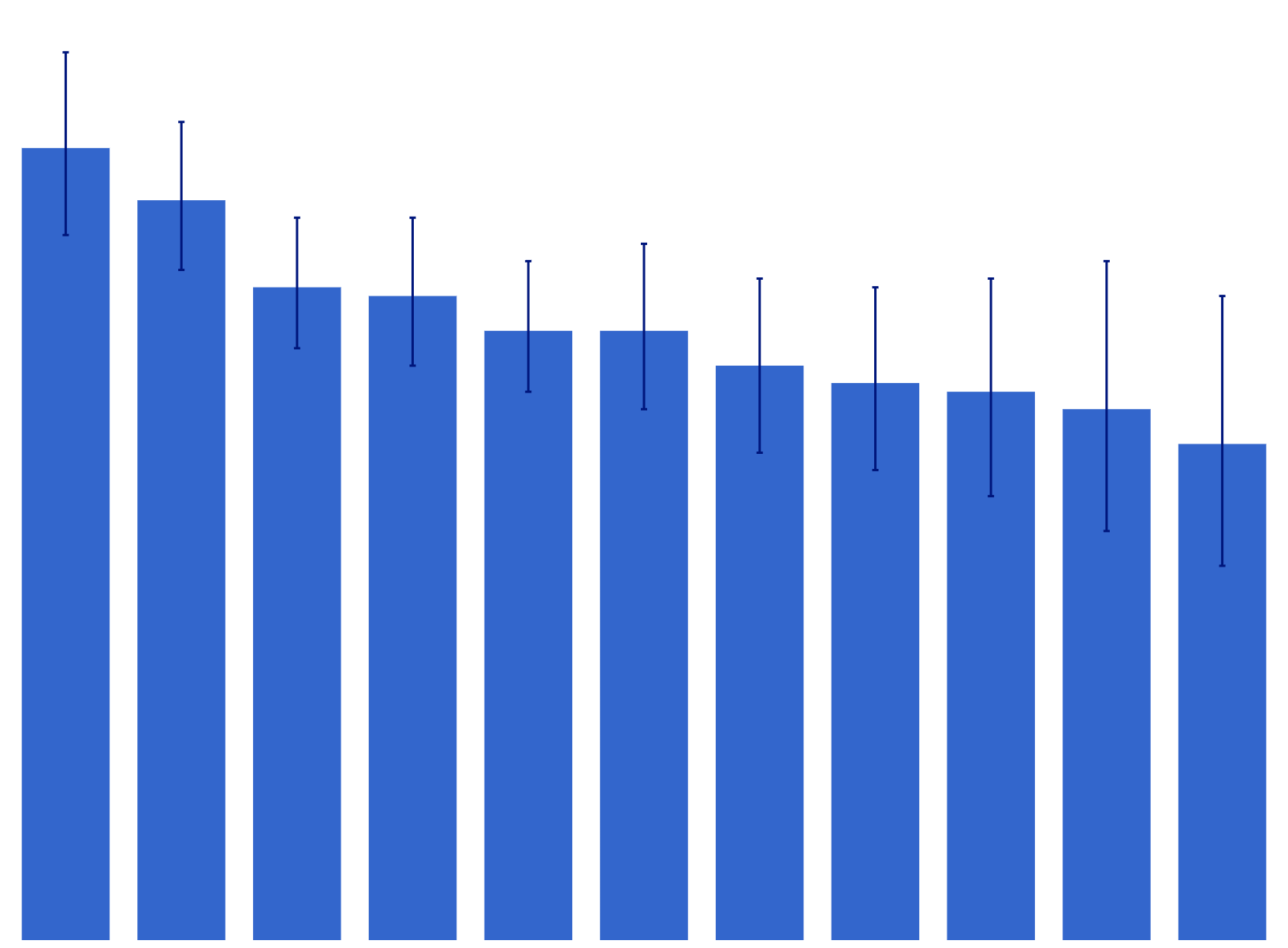
Heavy smokers (among daily smokers)
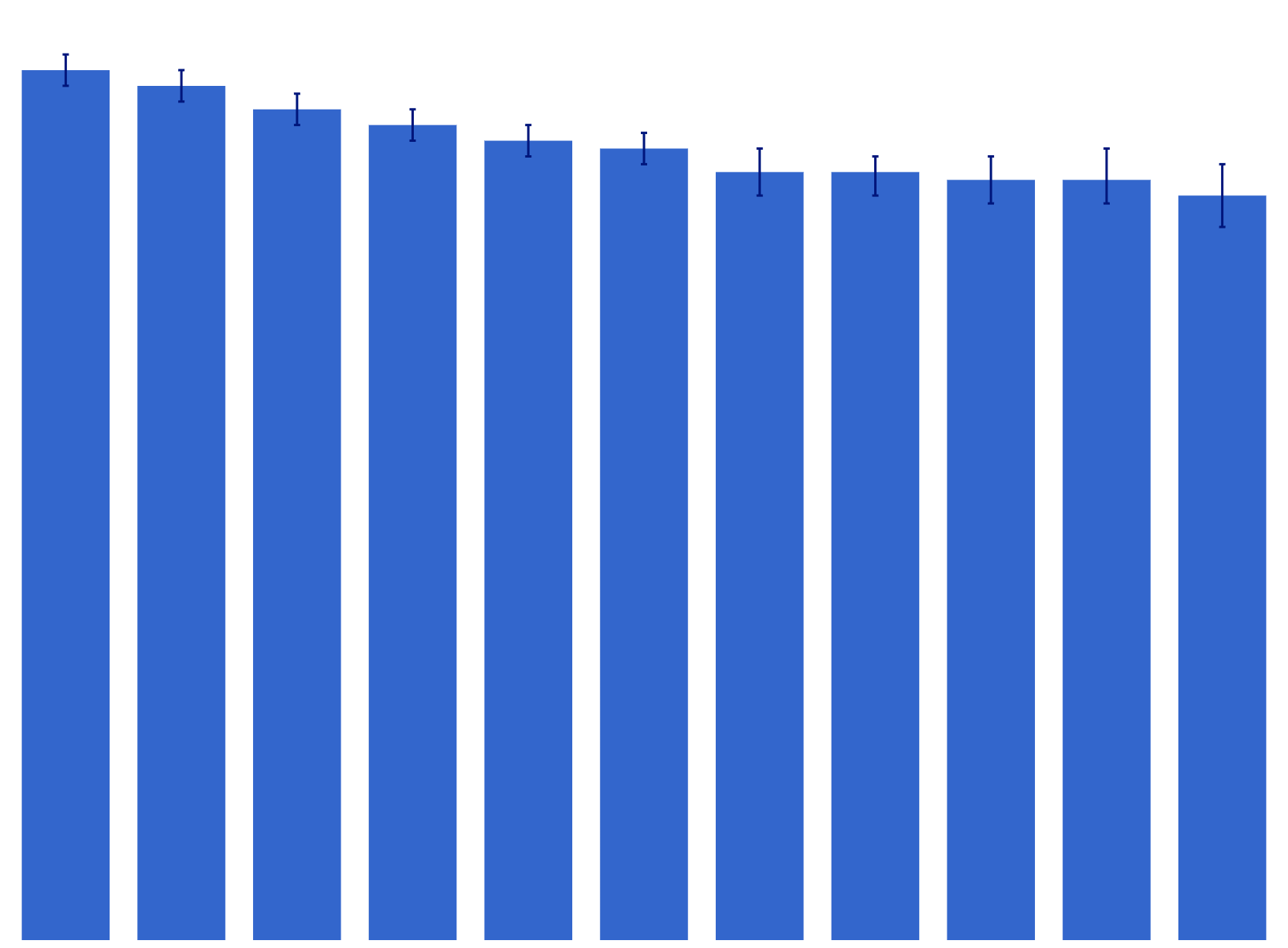
Mean number of cigarettes
Monthly vaping